
Victoria Durrer is Ad Astra Research Fellow in Cultural Policy in the School of Art History and Cultural Policy at University College Dublin. Her research explores issues of cultural voice and representation in the practices and policies of national and local cultural institutions and government bodies. Developing research projects with stakeholders is key to her studies. She is co-founder of Brokering Intercultural Exchange, an international research network on arts and cultural management, and the all-island research network, Cultural Policy Observatory Ireland. She is contributor and co-editor of the Routledge Handbook of Global Cultural Policy and Managing Culture: Reflecting on Exchange in Global Times in the Palgrave Sociology of the Arts series. She has a growing interest in the relationship of place to issues of representation in cultural policy-making at both local level and in a cross-border context.
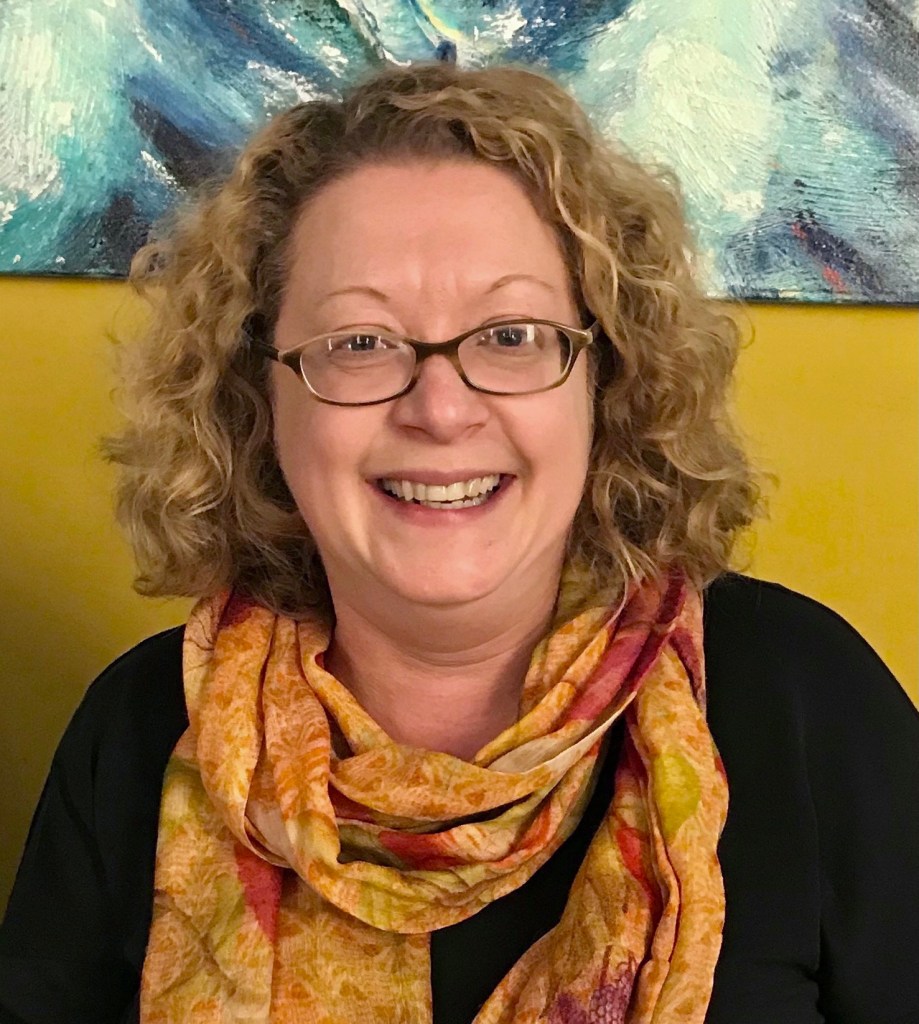
Rebecca Finkel is an urban cultural geographer and Reader, Arts Management & Cultural Policy, at Queen Margaret University, Edinburgh. Rebecca is committed to equality, diversity, and inclusion in education through teaching practices and research focus, which frames critical event studies within conceptualisations of social justice, gender in/equality, and cultural identity. By utilising theory-driven approaches to generate interdisciplinary social science knowledge, research addresses urgent societal issues. Co-Editor of Routledge Critical Event Studies Research Book Series as well as Leisure in the Pandemic: Re-imagining interaction and activity during crisis (2022, Routledge); Multispecies leisure: Human-animal interactions in leisure landscapes (2021, Routledge); Gendered Violence at International Festivals (2020, Routledge); Accessibility, Inclusion, and Diversity in Critical Event Studies (2018, Routledge); Research Themes in Events (2014, CABI). Rebecca has consulted for the Hong Kong Government and London Development Agency about investment in creative industries; most recently, she’s consulted for Police Scotland about gendered perceptions of safety in festival spaces, and Edinburgh St James Centre about accessibility and inclusion outreach and engagement. Additionally, she has been invited to deliver keynotes, workshops, seminars throughout the UK, Europe, Trinidad & Tobago, Chengdu (China), Austin (USA) on festivals and cultural events.
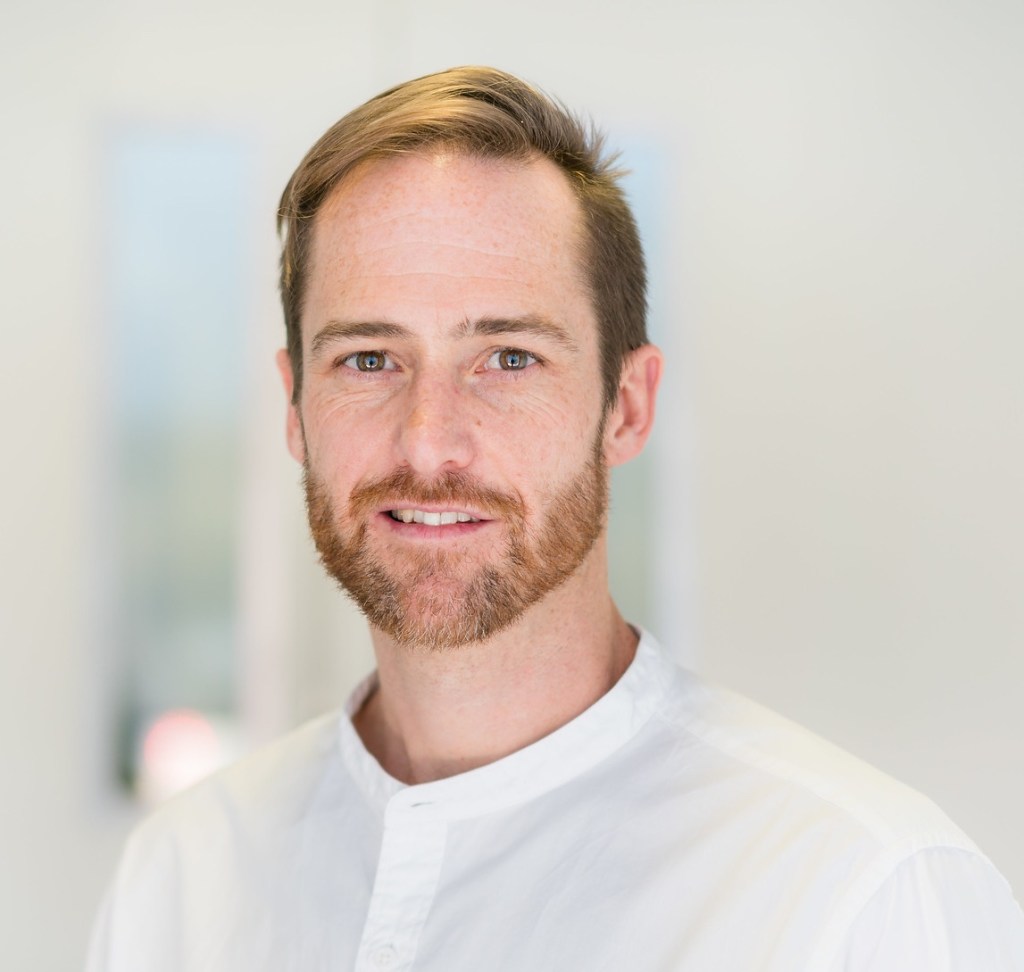
Dr Schrag‘s practice-based PhD – completed in 2016 – explored the relationship between artists, institutions and the public, looking specifically at a productive nature of conflict within institutionally supported participatory/public art projects. He has been the recipient of numerous awards including, Royal Society of Edinburgh, The Hope Scot Trust, Creative Scotland, British Council, the Dewar Arts Award, the 2011 Standpoint Futures: Public residency award, as well as a Henry Moore Artist Fellowship. His general research overview explores art within a social realm, and examines how ‘art’ and ‘culture’ is supported in wider institutional frameworks. He is specifically interested in exploring the relationship between artists, institutions and the public, looking at the productive nature of ‘conflict’. Other research interests include the history of participatory practices (Socially Engaged Art/Community Art/Dialogic practices, etc) as well as how this type of practice is ‘professionalised’. This includes other interdisciplinary/trans-disciplinary experiences of art in ‘non-art’ contexts, in the lineage and legacy of the Artist’s Placement Group.Most recently, he has been exploring how ‘participation’ occurs in Rural Art Contexts and how to support this more effectively
 Place-Specific Approaches to Sustainable Prosperity in the Arts & Cultural Sector